Perspectives vol. 01: Unlocking Indonesia’s Startup Potential in 2024

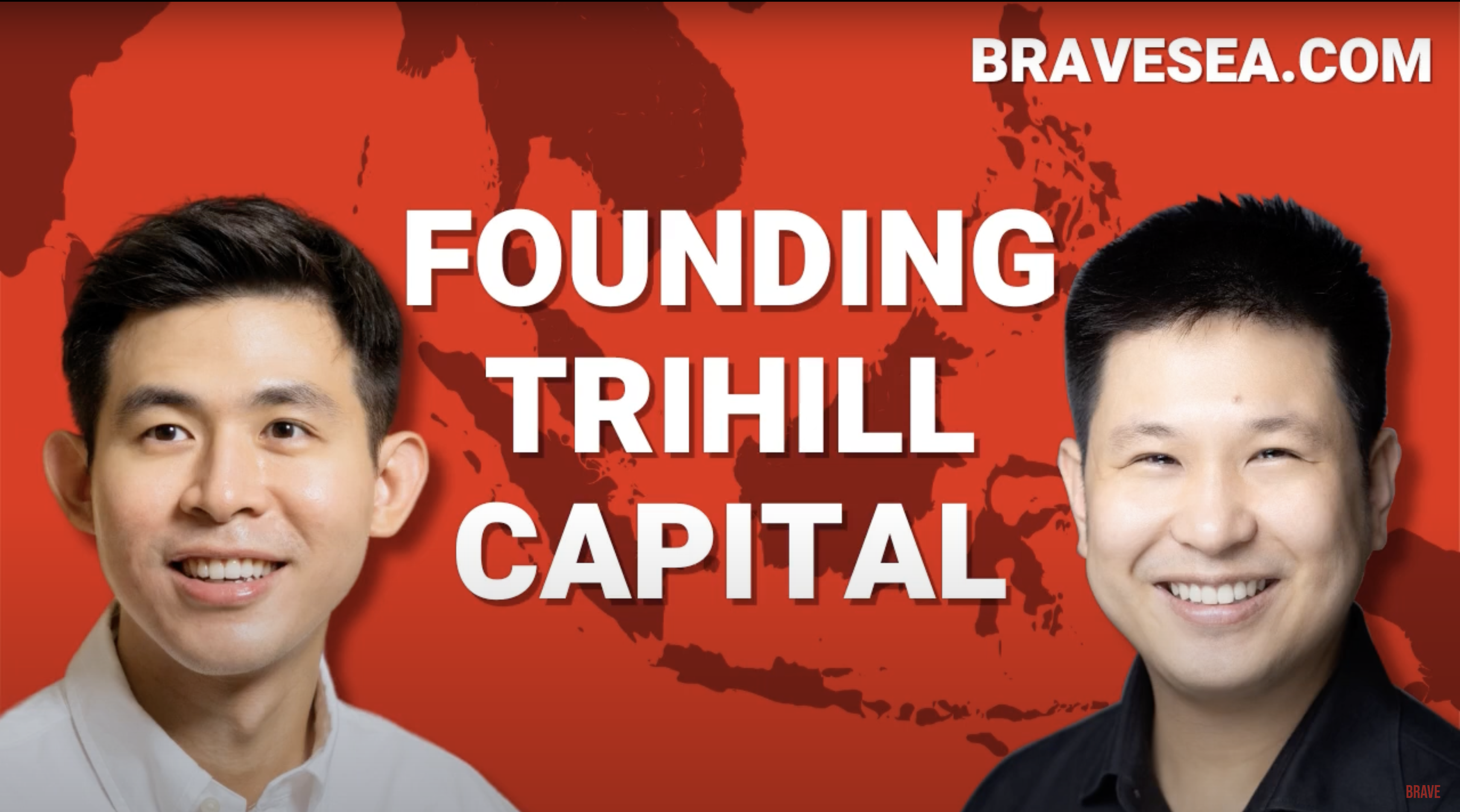
Anthony Tjajadi, our Partner, sat down with Jeremy Au on the latest episode of the BRAVE Southeast Asia Tech Podcast, delving into the vibrant venture space in SEA, with more specifics in Indonesia. The conversation was filled with valuable insights, highlighting key learnings for founders and investors, and painting a vivid picture of the opportunities and challenges in this evolving market


Anthony Tjajadi, our Partner, sat down with Jeremy Au on the latest episode of the BRAVE Southeast Asia Tech Podcast, delving into the vibrant venture space in SEA, with more specifics in Indonesia. The conversation was filled with valuable insights, highlighting key learnings for founders and investors, and painting a vivid picture of the opportunities and challenges in this evolving market:

📊 Beyond the Macro Hype: While Indonesia boasts a sizeable middle class with immense potential, it’s crucial to look beyond the headline numbers. Limited purchasing power due to political uncertainty and underdeveloped distribution networks in smaller cities paint a more nuanced picture.

🇮🇩 Election Jitters: The upcoming election creates a risk-averse environment for businesses, especially larger corporations. Expect a slowdown in big-ticket decisions until the political dust settles. This presents an opportunity for smaller, agile startups to fill the gap.

👨‍💻 Tech-Enabled, Not Pure Tech: Purely tech-focused ventures may struggle, while tech-enabled traditional businesses leveraging existing distribution channels and catering to immediate needs stand a better chance of success.

💵 Capital Efficiency is Key: With limited consumer spending and potential investor hesitation, startups must prioritize healthy unit economics and capital efficiency. Demonstrating a clear path to profitability will be crucial for attracting funding.

Navigating the Indonesian market in 2024 requires a deep understanding of the political landscape, coupled with a focus on practical solutions and sustainable business models.

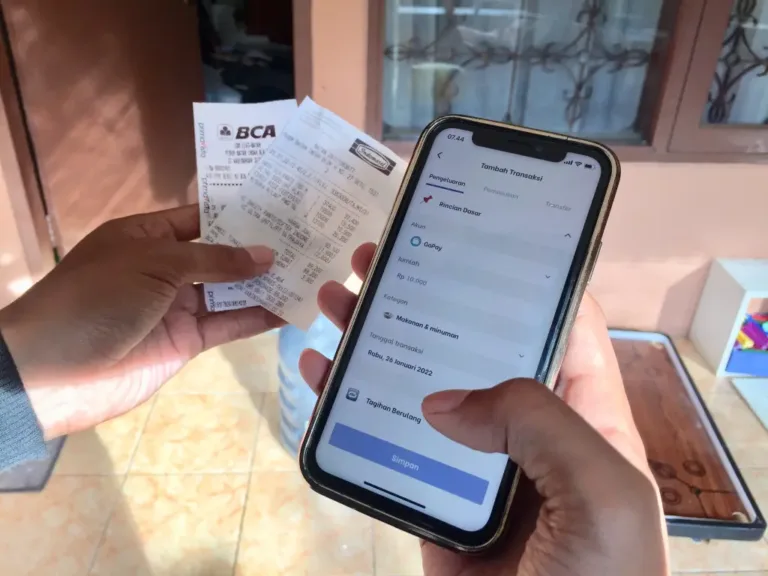
Brick closes $8.5M seed to enable open finance across Southeast Asia
Financial apps are proliferating across Southeast Asia, making things like bookkeeping or securing an online loan easier. But this means fintechs need access to large amounts of data that they can use to verify customer identity, creditworthiness or aggregate information from online accounts. Brick wants to simplify the process with a suite of APIs that connects financial apps to “hyper-local” sources of data, including banks, mobile wallets and telecoms.
TechCrunch
Forbes Asia 100 To Watch 2023
A drought in global venture capital activity has not deterred startups across Asia from breaking new ground. This year’s Forbes Asia 100 to Watch list spotlights small companies and startups that are targeting underserved markets or applying new technologies, from generative AI to blood-based cancer diagnostics. These include eco-friendly innovations, such as the development of insect-based alternative proteins and digitization of milk production to improve yields. Others include social commerce providers, which help users sell consumer products. Thirteen countries and territories are represented across 11 categories, including biotechnology and healthcare, e-commerce and retail, and finance. Leading the list for the second year in a row, Singapore contributed 20 companies to the list, followed by Hong Kong with 15 and mainland China with 11. The emerging innovation hubs of Indonesia and the Philippines contributed 11 and 9 companies respectively.
Forbes
In Conversation: Alvin Arief of UENA
Driven by a passion for innovation and a commitment to addressing challenges in the F&B market, Alvin Arief, co-founder and CEO of UENA, is leading a new venture that aims to revolutionize daily food offerings.